Electronics refurbishment vs. repair – what is the difference?
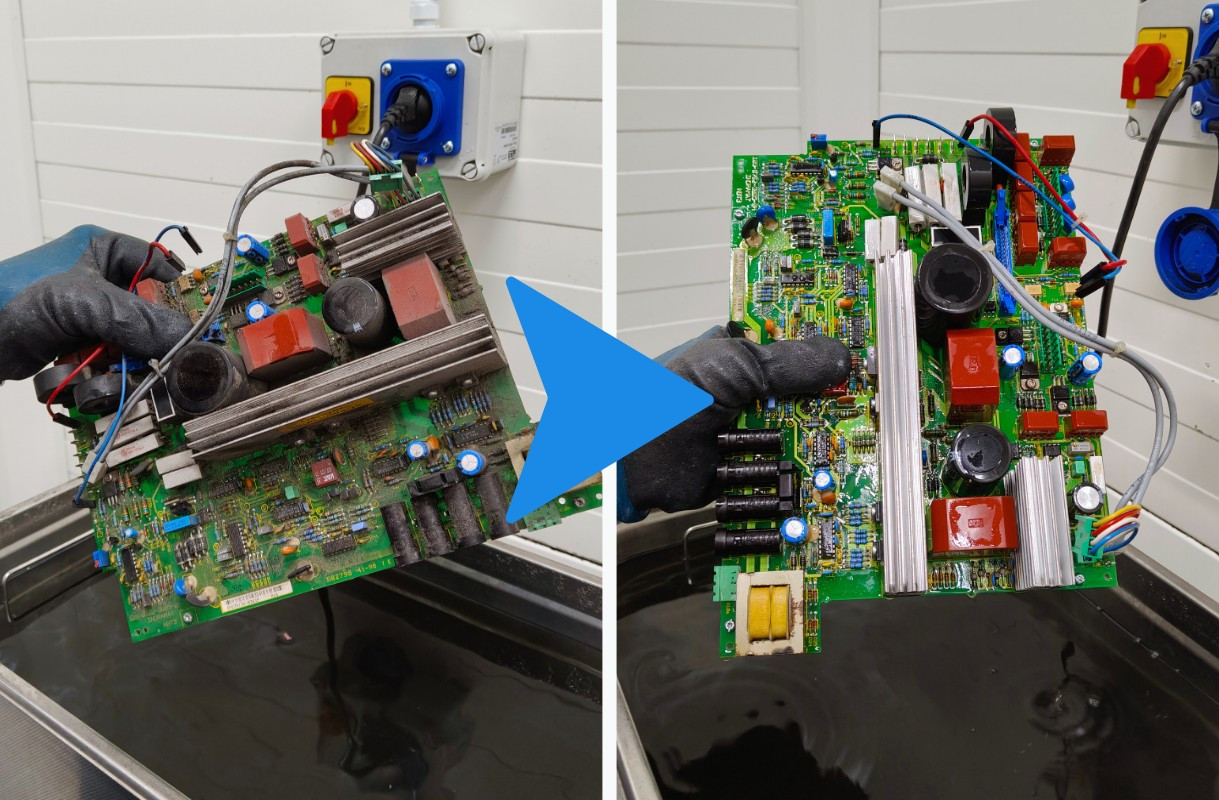
Full electronics refurbishment – more than fixing a fault
We usually understand repair as fixing a specific fault and restoring the device to working order. However, a damaged component may be only part of a wider problem. Dirt, worn parts or poor cooling can lead to another failure.
That is why, at ADEGIS, we look beyond the fault reported by the customer. Full electronics refurbishment includes diagnostics, thorough cleaning, replacement of damaged and worn components, improved heat dissipation and testing under load. Below, we explain this process using drives and inverters as examples.
How does electronics refurbishment work at ADEGIS?
Thorough Diagnostics
We identify what has been damaged and what may have caused the failure. Replacing the damaged component alone may not be enough if the underlying cause remains. We therefore assess the device’s overall condition and use the findings to determine the work required.
Cleaning the Components
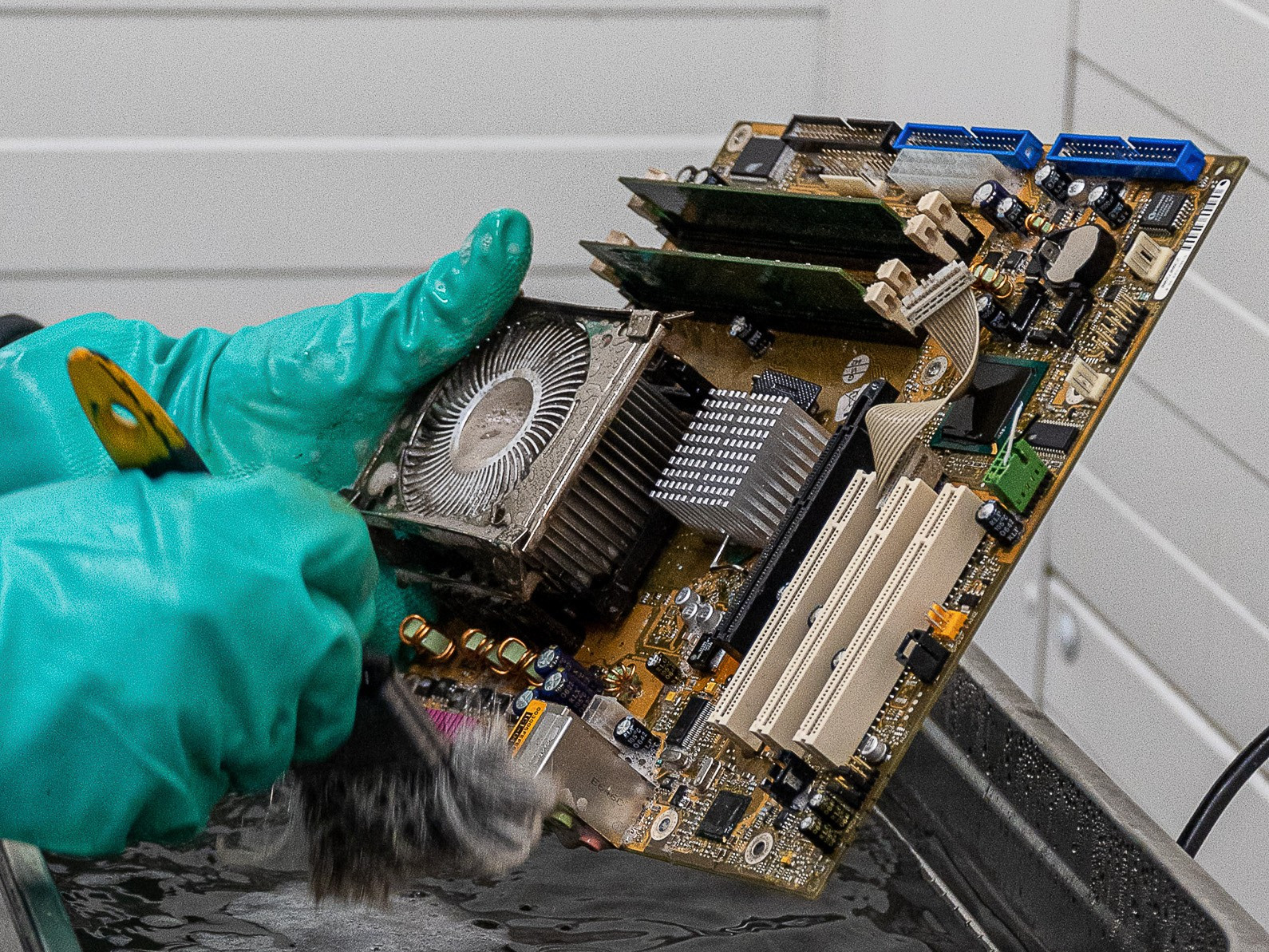
Dust and deposits can restrict cooling, create unwanted paths for electrical current and affect the operation of electronic circuits. We therefore clean individual components in an ultrasonic cleaner, then dry them in an industrial dryer. More sensitive electronics are cleaned separately with an alcohol-based cleaning agent. Only then are the components ready for further service work.
Replacing Damaged and Worn Components
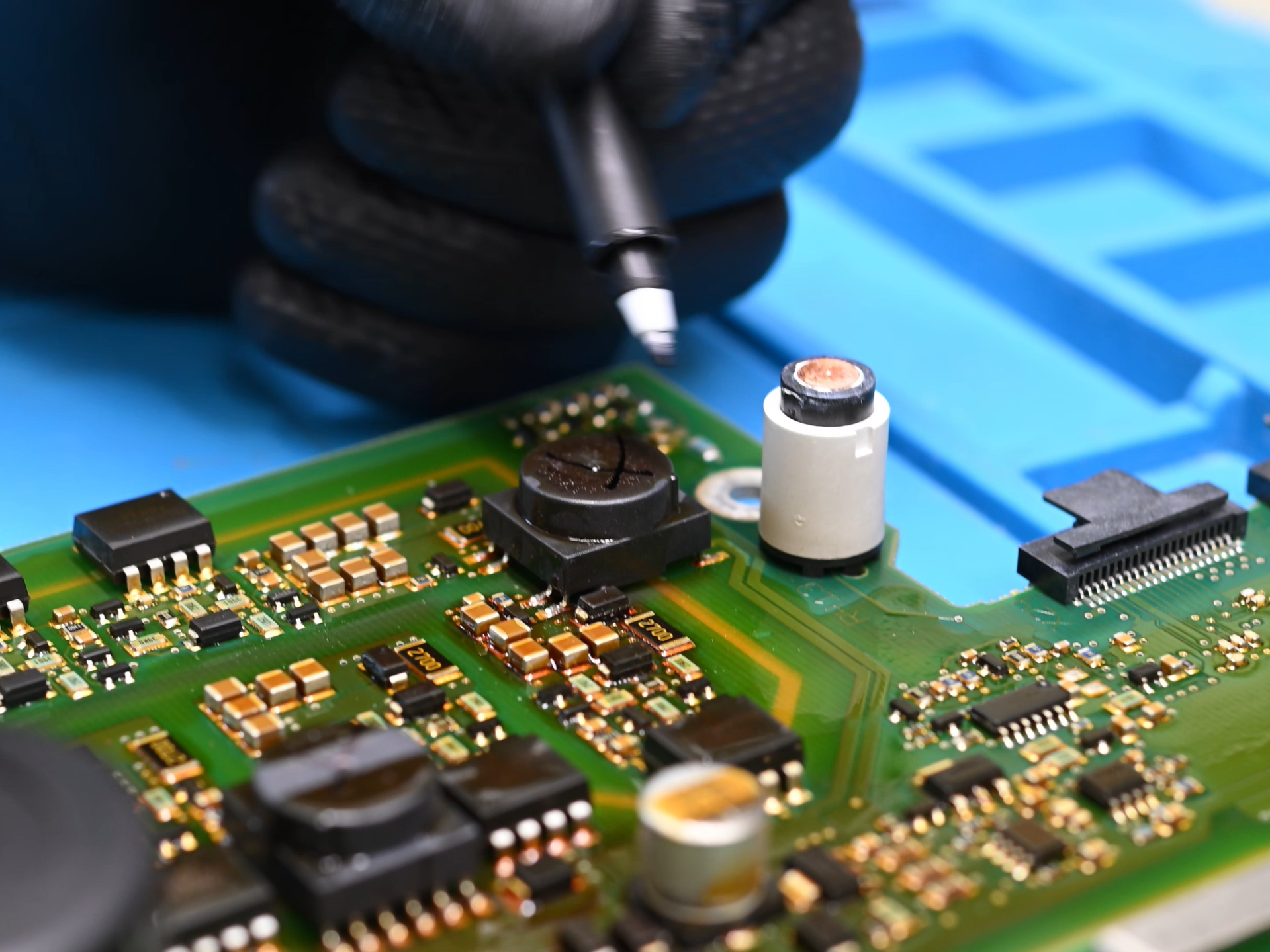
Electronics refurbishment also includes replacing parts that still work but show signs of wear or ageing. These parts could cause another failure. Depending on the device model and diagnostic findings, we replace components such as electrolytic capacitors, fans, relays, optocouplers, and other semiconductor and passive components.
Ready-made parts kits, known as service packs, help us complete the work efficiently. They contain components selected for a specific device model and type of fault. Having service packs in stock allows us to start repairs sooner, without waiting for parts to arrive.
Improving Heat Dissipation
We check the components responsible for cooling. Where required, we apply newthermal paste to help transfer heat from the components to the heat sink.
Testing on Dedicated Test Benches
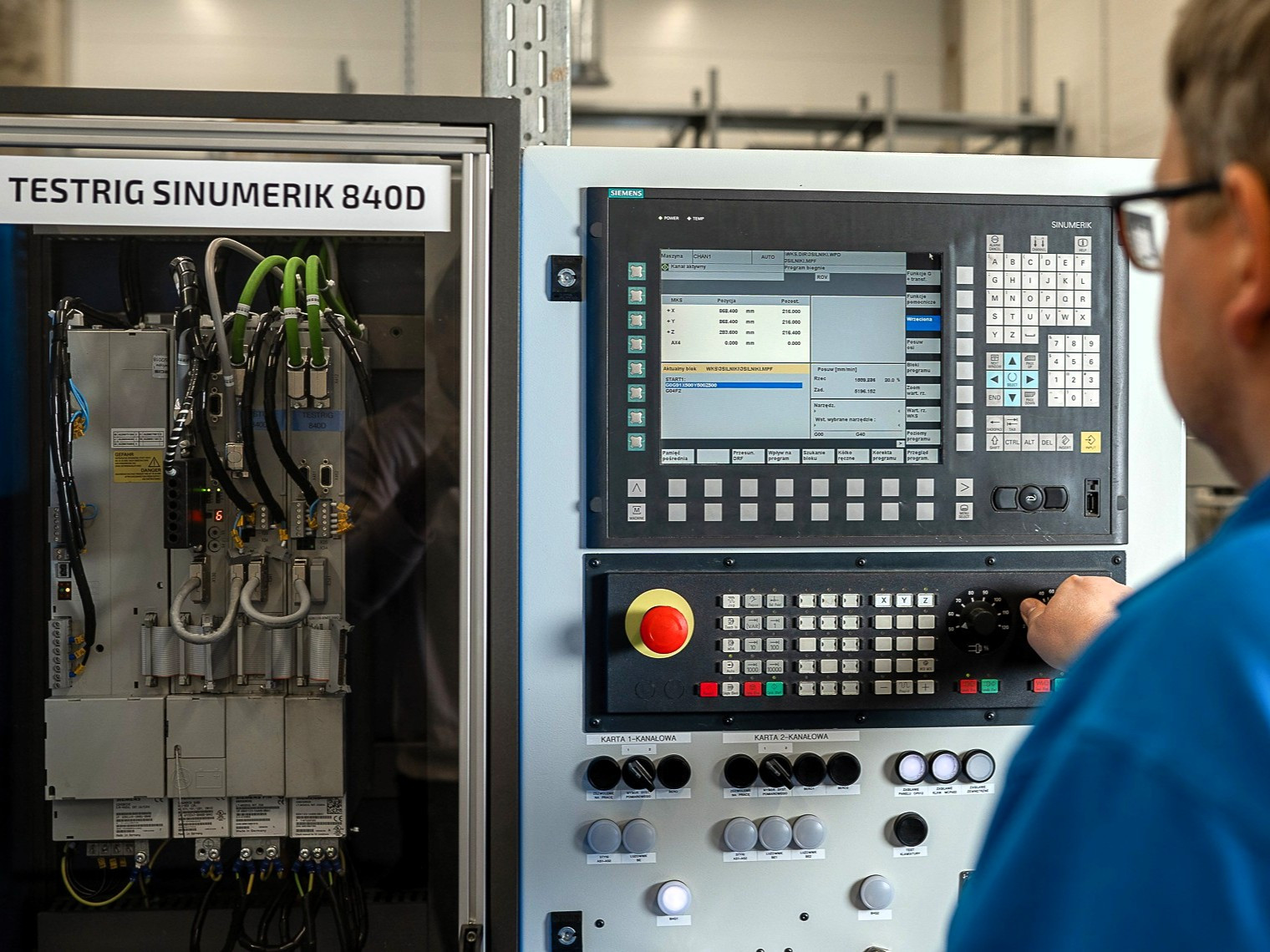
We check every completed repair and refurbishment through testing under load. On dedicated test benches, we verify module operation, communication, operating stability and the cooling system. The device is ready to return to service only after it has passed these tests.
After the service, the customer receives a service report and a test report. The refurbished device comes with a 24-month warranty, with an option to extend it.
What are the benefits of electronics refurbishment?
Full refurbishment helps prepare a device for continued use. The main benefits include:
- A lower risk of further failures and downtime – thanks to thorough diagnostics, cleaning, replacement of worn parts and improved cooling.
- A longer service life for existing automation equipment – including older devices whose replacement would require changes to the installation.
- Better use of resources – electronics refurbishment extends the life of equipment and reduces the need to replace complete devices.
- Verified performance after servicing – testing under load allows us to check the device’s operation before it returns to the customer’s facility.
Do we also refurbish devices that still work?
Yes! A device does not have to fail before you send it to us for inspection and refurbishment.
A working inverter or drive may already have worn fans, ageing capacitors, dirty components or dried-out thermal paste. The absence of an obvious fault does not mean that every component is in good condition.
Ignoring these issues can lead to overheating and extensive damage to power modules and circuit boards. This increases the amount of repair work required and its cost. In some cases, repair may no longer be possible or economically viable.
A preventive maintenance inspection can be scheduled during a planned maintenance shutdown, for example. The device needs to be taken out of service while the work is carried out, but this helps reduce the risk of an unexpected failure during production. Planned refurbishment may also cost less than repairing extensive damage and dealing with the consequences of unplanned downtime.
What does it mean for a device to be refurbished?
The term "refurbished" describes devices that have undergone a full refurbishment process.
Refurbished equipment is the most common type of product in our online store. These devices have usually been used before, although they may also come from unused stock held in storage. After we purchase them, they go through the process described above: diagnostics, cleaning, replacement of damaged and worn components, and functional testing.
Refurbished devices offered by ADEGIS come with a 24-month warranty. Refurbishment therefore means much more than improving appearance – it includes preparing a device for continued use and checking that it works correctly.
How does a refurbished device differ from a used one?
We also offer used equipment. These devices are fully functional and tested, but have not undergone full refurbishment.
The difference lies in how thoroughly they are prepared for sale. Used devices cost less and come with a 3-month warranty, while refurbished devices come with a 24-month warranty.
Would you like to refurbish a drive or inverter, schedule an inspection or buy refurbished equipment? Contact ADEGIS – we will help you find a solution that meets your needs.