Preventive maintenance. What does it involve, and when is it worth it?
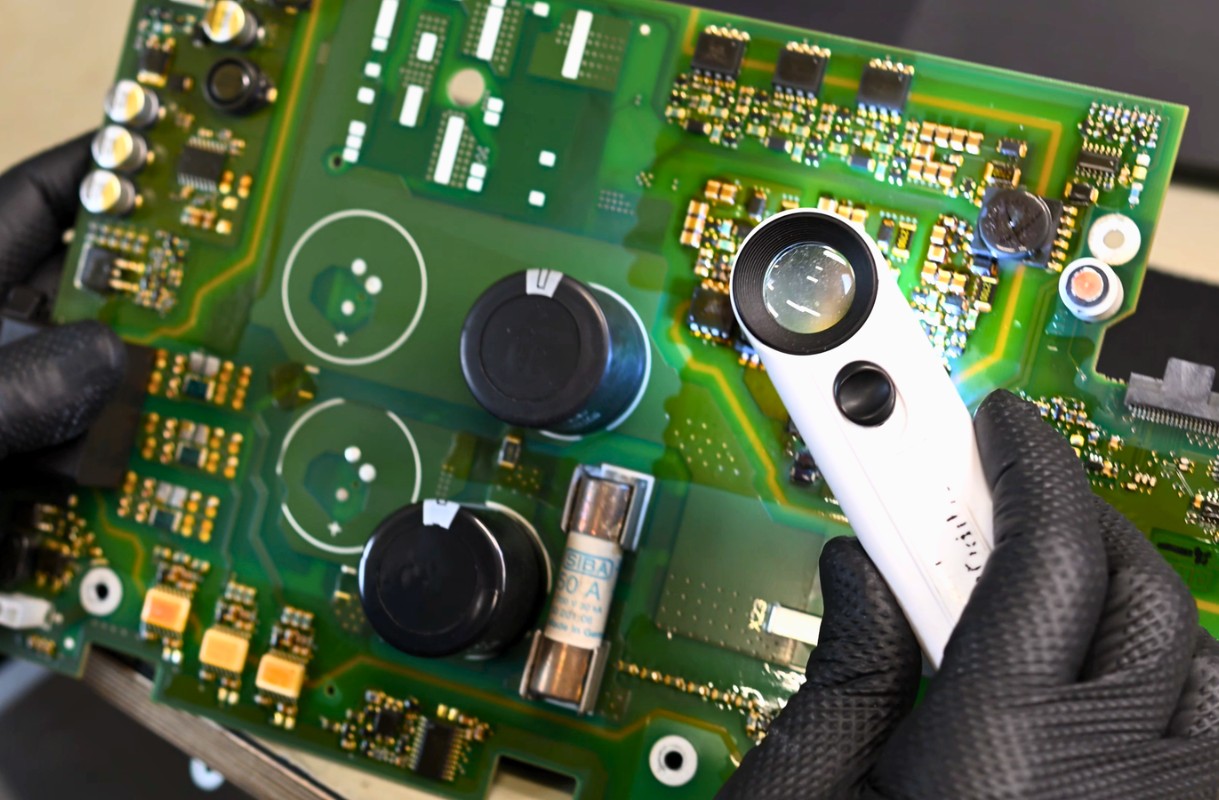
What is preventive maintenance, and when should you schedule it?
Preventive maintenance, also known as preemptive maintenance, is planned work carried out on functioning equipment to reduce the risk of failure. It includes inspections, cleaning, measurements and the replacement of components that wear out during use.
The timing and scope of the work depend on the manufacturer’s recommendations, the equipment’s operating hours and the conditions it runs in. It’s worth including preventive repair in your maintenance plan, especially when:
- Equipment failure would bring the production line to a stop. You can schedule the work during planned downtime or when a spare unit is available.
- The equipment runs in harsh conditions. Dust, high temperatures or heavy use may call for more frequent inspections.
- A replacement is hard to source quickly. Replacing components as they wear helps extend the equipment’s service life and reduce the risk of more serious damage.
What does preventive repair at ADEGIS involve?
Inverters and drives are the most common units we service. We also carry out preventive repair on operator panels, motors and servomotors. We tailor the scope of work to the design and condition of each unit.
Preventive maintenance for inverters and drives
- Diagnostics and measurements. We check the condition of the unit before dismantling it.
- Cleaning and drying. After disassembly, we clean the components in an ultrasonic cleaner and dry them thoroughly.
- Component and thermal paste replacement. We replace parts with the shortest service lives, including electrolytic capacitors, relays, optocouplers and fans. We apply fresh thermal paste to improve heat transfer to the heat sink.
- Final testing. We test the inverter under load, run a dynamic test with a motor and check that communications, inputs and outputs work correctly.
For popular models such as Siemens SINAMICS drives, ELAU drives and Lenze inverters, we use ready-made service packs. Each pack contains components selected for a specific unit, saving us time when sourcing the right replacement parts. Once the work is complete, we provide a service report and a test report.
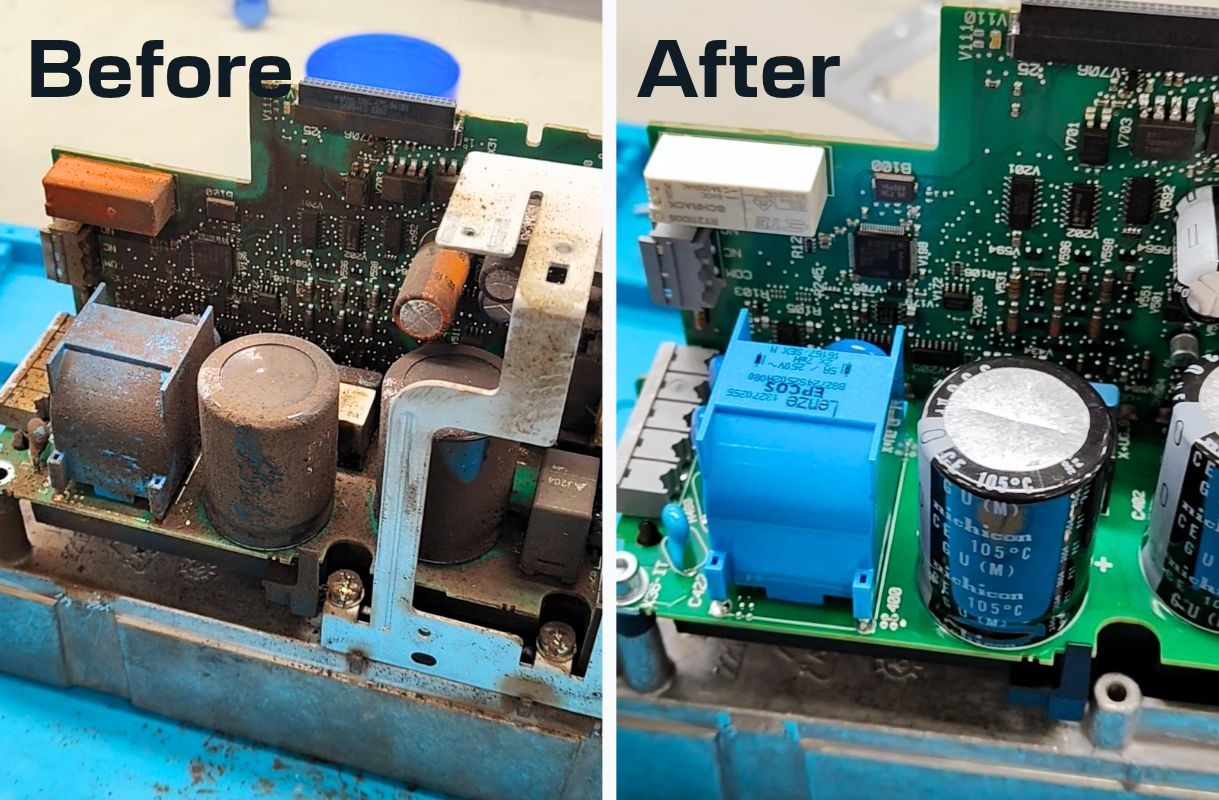
Preemptive maintenance for operator panels
We start by inspecting the printed circuit boards (PCBs), then clean the housing and electronics. For panels exposed to oil mist, we pay particular attention to signs of corrosion.
Depending on the model and our findings, we:
- replace electrolytic capacitors or communication ICs,
- secure loose ribbon cables and wires to protect them from vibration,
- rework suspect solder joints,
- replace the thermal paste and apply a protective coating to the circuit boards.
Finally, we check the power supply, operating stability, communication ports, display and touchscreen response.
Refurbishment and reconditioning of motors and servomotors
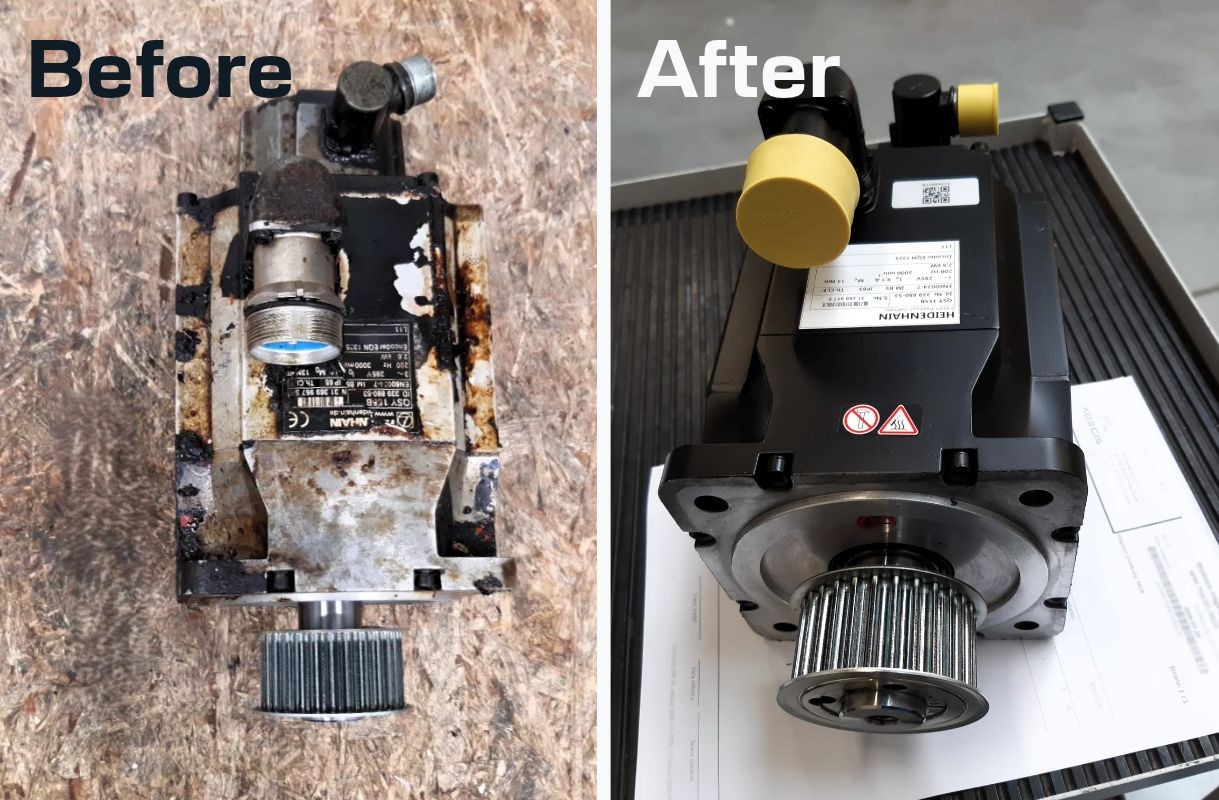
We measure winding resistance, assess the condition of the insulation and check the feedback device if the motor has one. We then clean the disassembled parts in a biological parts washer, replace the bearings, precisely balance the rotor and repaint the housing. Replacing bearings at the right time helps reduce vibration and the risk of damage to the bearing seats.
Finally, we test the motor on a dedicated test bench. As with the other types of equipment we service, we provide a full service report. For motors, we also provide the measurement report from the balancing machine.
Is preventive repair worth it?
If an inverter is inexpensive and readily available, buying a new one may cost less than maintenance, especially if it can be installed and commissioned quickly.
For equipment being phased out or no longer supported by the manufacturer, compare the service quote with the full cost of replacement. In addition to the price and availability of a replacement, factor in:
- adapting the control system, wiring and other parts of the production line,
- installing and configuring the replacement and recommissioning the machine,
- the downtime required to put the replacement into service.
If replacing a unit requires a machine upgrade, preventive repair may be a cheaper way to keep the existing unit in service for longer. It also gives you time to schedule the upgrade around production.
Frequently asked questions about preemptive maintenance
How does preventive maintenance differ from repair?
Preventive maintenance is scheduled while the equipment is still working. Its purpose is to reduce the risk of failure by cleaning the unit and replacing components that are wearing out, for example. A repair restores the equipment to working order after a fault occurs.
Where can preventive repair be carried out?
In exceptional cases, we can carry out preventive repair at your site. We recommend having the work done at our workshop, where we have specialised equipment for cleaning and drying components and dedicated test benches to verify that the unit works correctly after maintenance.
Schedule a preventive inspection with ADEGIS
Have an inverter or motor that’s seen better days? Send us its part number. We’ll help you determine what work is needed and whether maintenance makes financial sense.